The term “gingerbread nails” has become increasingly popular on social media, leaving many people wondering whether it refers to a real medical condition or a cosmetic nail trend. The name itself sounds unusual, almost like a playful description of nails resembling gingerbread cookies. Because of this, some people mistakenly think it is a type of nail disease. To clear the confusion, it is important to understand that “gingerbread nail disease” is not a recognised medical disorder.
Instead, the phrase is mostly associated with either a festive nail-art style or certain nail changes that people misinterpret as a disease. Even though the term is misleading, conversations about nail colour, shape, or texture are important. Nails are a window into overall health. They can show early signs of dehydration, vitamin deficiencies, fungal infections, or even more serious medical issues. That is why understanding the facts behind changed nail appearance is much more important than focusing on a trendy nickname.
Why People Call It “Gingerbread Nails”
Today, the phrase falls into two main categories:
1. A Popular Nail-Art Style
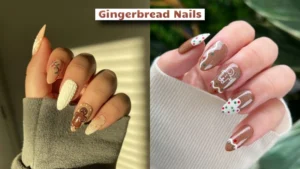
Beauty influencers often use the term to describe a cute, cosy nail-art design inspired by gingerbread cookies. These designs typically use:
- warm brown shades,
- white frosting-like lines,
- tiny candy-like details.
This version of “gingerbread nails” has nothing to do with health. It is purely creative and cosmetic.
2. A Misunderstanding of Nail Changes
Some individuals use the term to describe nails that appear:
- brownish or yellow,
- thick or rough,
- dry or crumbly,
- uneven in texture.
In simple words, they feel their nails look like “dry cookies,” which leads them to call them “gingerbread nails.” But these appearances are usually signs of other real nail conditions, not a unique disease of their own.
Real Conditions That Can Make Nails Look Gingerbread-Like
If nails start looking dull, dry, uneven, or discoloured, several medical or lifestyle factors may be to blame. Here are the most common ones:
1. Fungal Nail Infection
A fungal infection can change the nail’s colour and texture, making it look:
- thickened,
- yellow-brown,
- crumbly at the edges,
- rough on the surface.
This is one of the most common reasons nails look “cookie-like.”
2. Nail Psoriasis
Psoriasis can affect nails and lead to:
- pitting,
- peeling,
- ridges,
- discoloration.
Because this condition changes the nail’s smoothness, people sometimes mistake it for a separate disease.
3. Vitamin and Mineral Deficiencies
A lack of essential nutrients, such as iron, biotin, zinc, protein, and vitamin D, can weaken nail structure. Deficient nails become dry, thin, brittle, or develop unusual colours.
4. Overuse of Manicure Products
Frequent use of:
- gel polish,
- acrylic powder,
- strong removers (especially acetone),
- nail glue,
It can damage the nail bed, leaving the nails dehydrated and rough.
5. Ageing and Lifestyle Habits
As people age, nails naturally become thicker and more prone to discolouration. Smoking can also darken the nails, while excessive water exposure can dry them out.
How to Restore and Maintain Healthy Nails
Whether someone describes their nails as “gingerbread-like” or notices that their nails are losing their natural shine, there are effective ways to improve nail health.
1. Keep Nails Clean and Dry
Moisture trapped under the nails leads to fungal growth. After washing hands or feet, always dry nails thoroughly.
2. Moisturise Daily
Just like the skin, nails also need hydration. Using natural oils such as coconut, jojoba, almond, or vitamin E oil helps the nails stay flexible, shiny, and strong.
3. Reduce Chemical Exposure
If you use cleaning products or detergents often, always wear gloves. Excessive chemical exposure strips nails of their natural oils and weakens them.
4. Improve Your Diet
Healthy nails grow from the inside. Add the following to your meals:
- eggs, fish, and nuts for biotin,
- leafy greens and lentils for iron,
- citrus fruits for vitamin C,
- milk and sunlight for vitamin D,
- proteins for strong nail growth.
5. Trim Regularly
Shorter nails are less likely to break or trap dirt. Regular trimming keeps them healthy and reduces the risk of infections.
6. Avoid Nail-Biting
Nail-biting can lead to permanent damage and increase the chances of bacterial infections around the nail.
When to Consult a Doctor
If you notice any of the following, professional medical advice is necessary:
- sudden dark streaks under the nail,
- nails separating from the skin,
- severe pain or swelling,
- thickening that does not improve,
- discharge, bleeding, or strong odour.
A dermatologist can perform tests to identify the exact cause and prescribe the appropriate treatment, whether antifungal medication or topical therapy.
Final Thoughts
While the term “gingerbread nail disease” sounds catchy, it does not refer to any official medical condition. Instead, it emerges from social media trends and misunderstood nail symptoms. What truly matters is paying attention to your nail health, recognising changes, and taking steps to maintain strong, clean, and well-nourished nails. Good nail care is not only about beauty it reflects your overall well-being. By understanding the causes behind nail discolouration and roughness, you can protect your nails and keep them looking naturally healthy and polished.
For more information and suggestions, Contact Us.