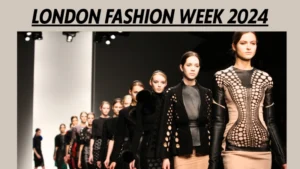
London Fashion Week 2024 marked a remarkable milestone in the global fashion calendar, the 40th anniversary of one of the world’s most daring and influential fashion events. Organised by the British Fashion Council (BFC), this year’s edition paid tribute to four decades of design innovation, rebellious artistry, and cultural impact. From February 16 to 20, 2024, the city transformed into a creative playground, hosting more than 250 shows and presentations across iconic venues such as Somerset House, Tate Modern, and the Old Selfridges Hotel.
For four decades, London Fashion Week (LFW) has been synonymous with fearless creativity. In 2024, that spirit burned brighter than ever, uniting legendary houses, cutting-edge designers, and digital audiences worldwide. This was not just a celebration of fashion; it was a statement about where the industry stands today and where it is heading next.
A Legacy of Innovation
Since its founding in 1984, London Fashion Week has stood apart for its experimental edge. It has produced some of fashion’s most visionary talents from Vivienne Westwood and Alexander McQueen to Stella McCartney, Christopher Kane, and countless rising names. Unlike the glamour of Paris or the commercial polish of Milan, London has always been about risk, creativity, and authenticity.
The 40th-anniversary edition served as both a reflection and a re-invention of this legacy. Designers paid homage to Britain’s rich cultural history, tailoring, punk aesthetics, and royal elegance while reimagining them for a new, conscious generation. The British Fashion Council also used the event to highlight how the UK fashion industry contributes billions to the national economy and employs hundreds of thousands, underlining its role as both a cultural and economic force.
Themes That Defined LFW 2024
This year’s event revolved around three central ideas: sustainability, inclusivity, and innovation.
Sustainability took centre stage as more designers than ever adopted circular production models. Upcycled fabrics, repurposed textiles, and recycled materials appeared on multiple runways. Brands like Ahluwalia, Eirinn Hayhow, and Patrick McDowell showed how creative design and environmental responsibility can coexist.
Inclusivity and representation were equally powerful. The casting of models celebrated diversity in ethnicity, body shape, and gender identity. Many shows blurred the lines between menswear and womenswear, proving that fashion’s new language is fluid and free.
Finally, digital transformation continued to reshape how audiences experience fashion. Livestreamed presentations, immersive installations, and hybrid showcases allowed global fans to engage with London Fashion Week in real time. The city’s streets became open runways, blending physical and virtual style into one continuous experience.
Designers and Runway Highlights
Burberry, under creative director Daniel Lee, anchored the week with a powerful presentation that redefined British luxury. His collection combined practicality with elegance, deep forest greens, camel tones, and sculptural leather coats that spoke of modern heritage. The show paid subtle homage to the outdoors, a theme close to Britain’s cultural identity.
JW Anderson continued his exploration of everyday surrealism with playful silhouettes, asymmetrical sweaters, and the rise of “grandmacore”, a nostalgic nod to cosy knitwear and domestic textures. His collection reminded audiences that humour and intellect can live harmoniously on the runway.
Simone Rocha captivated critics with her romantic-gothic storytelling. Her collection featured cascading lace, pearls, tulle, and even symbolic props, turning fashion into theatre. Molly Goddard stayed true to her signature tulle aesthetic, experimenting with oversized proportions and saturated colour palettes.
Harris Reed, one of the most discussed names of the season, offered gender-fluid couture inspired by liberation and identity. His designs combined baroque drama with modern tailoring, reinforcing that fashion can be both performative and political.
Emerging designers such as Chet Lo, Labrum London, and Standing Ground also made waves, proving that London remains the global incubator for young creative talent. Their collections merged multicultural influences with modern craftsmanship from West African narratives to East Asian futurism, echoing London’s role as a crossroads of global culture.
Trends That Emerged
The runways of LFW 2024 set clear trends that will shape global fashion for the coming seasons:
- Oversized Outerwear: Structured coats and capes dominated, offering both function and statement.
- Hybrid Tailoring: Designers mixed classic suits with streetwear details, creating a refined yet relaxed aesthetic.
- Sheer and Transparent Fabrics: Romantic transparency layered with corsetry and lace appeared across multiple collections.
- Bold Colour Palettes: Vibrant reds, cobalt blues, emerald greens, and metallic tones reflected optimism and power.
- Vintage Revival: “Grandmacore,” crochet, and hand-knit textures brought a sense of nostalgia to modern wardrobes.
Beyond the runway, street style around London told its own story. Attendees embraced sustainability through vintage layering, re-worked denim, and repurposed accessories. The streets themselves became a live trend forecast.
The Global Impact
London Fashion Week’s influence stretches far beyond the UK. Retail buyers, trend forecasters, and digital creators from Asia, the Middle East, and the Americas attend to identify what will dominate next season’s fashion landscape. The 2024 event reaffirmed London’s position as a global laboratory for creativity, a place where bold ideas become commercial reality. For emerging designers from regions such as South Asia or Africa, the London platform provides not just visibility but validation. By celebrating multiculturalism and sustainability, LFW is opening the door for a more inclusive fashion economy worldwide.
Looking Ahead
As London Fashion Week enters its fifth decade, its mission remains clear: to champion innovation, support new talent, and challenge conventions. The 2024 edition proved that British fashion is not confined by nostalgia but is inspired by it, using the past as a foundation for progress.
The future of LFW will likely expand further into technology, sustainable materials, and cross-cultural collaboration. What once began as a local trade show is now a global creative movement, influencing everything from design and retail to social consciousness. In a year that celebrated history, London Fashion Week 2024 also delivered a message for the future: true style is not only about what we wear, but about how responsibly and creatively we choose to express it.
For more information and suggestions, Contact Us.